Events
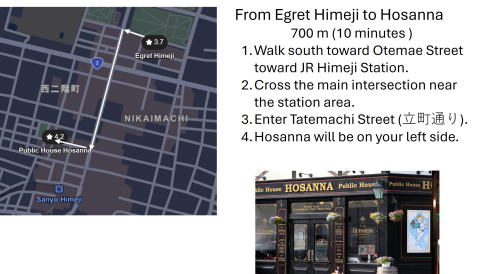
Social Gathering (May 26)
- Date
- Tuesday, May 26,2026
- Time
- From 19:30 to 21:00
- Places
- Public House HOSANNA (British-style Beer Pub)
Excursion 1 (May 27)
- Date
- Wednesday, May 27,2026
- Time
- From 09:00 to 13:00
- Places
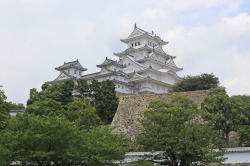
- Himeji Castle
Himeji Castle, originally built in 1333 and completed in its present form in 1617, is
renowned for its elegant white appearance, earning it the nickname “White
Heron Castle.” Widely regarded as the finest example of Japanese wooden
castle architecture, it was designated a UNESCO World Cultural Heritage
Site in 1993. Following restoration completed in 2015, its brilliant white
exterior can be fully appreciated today.
Banquet (May 27)
- Date
- Wednesday, May 27,2026
- Time
- From 18:30 to 21:00
- Places
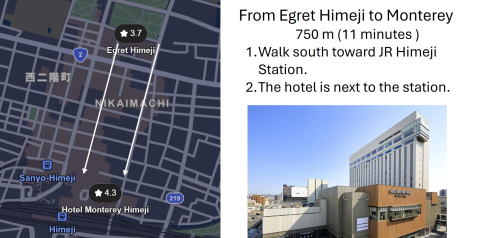
- Hotel Monterey Himeji
Excursion 2 (May 29)
- Date
- Friday, May 29,2026
- Time
- From 12:00 to 17:30
- Places
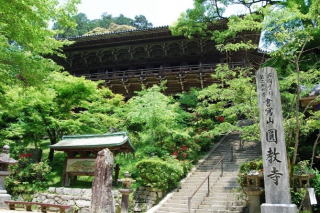
- Engyo-ji Temple (Mt. Shosha) and Lunch at Nadagiku sake factory
Engyo-ji Temple is located on Mt. Shosha in central Hyogo Prefecture. Founded in 966 by
the monk Shoku Shonin (910–1007), it has long been supported by the imperial
family, aristocrats, and prominent warriors. The temple complex spans over
31 hectares and includes numerous historic buildings, monuments, and sub-temples,
many dating back to the Muromachi period (1336–1573) and designated as
cultural assets. Engyo-ji is also the 27th temple of the Saigoku 33 Pilgrimage,
a historic pilgrimage route established in the 8th century that continues
to attract visitors from Japan and around the world.
- Lunch at Nadagiku Shuzo
Website: https://english.harima-sake.jp/introduction/nadagiku/
- Engyo-ji Temple (Mt. Shosha)
Website: http://www.shosha.or.jp/
information
Deadlines (in 2026)
-Abstract Closed-> Decision: Rolling basis
-> Presentation Format: Mar. 31
- Early Registration: Apr. 17
Committees
- Advisory Committee
- Program Committee
- Local Committee
IWRF2026 Secretariat